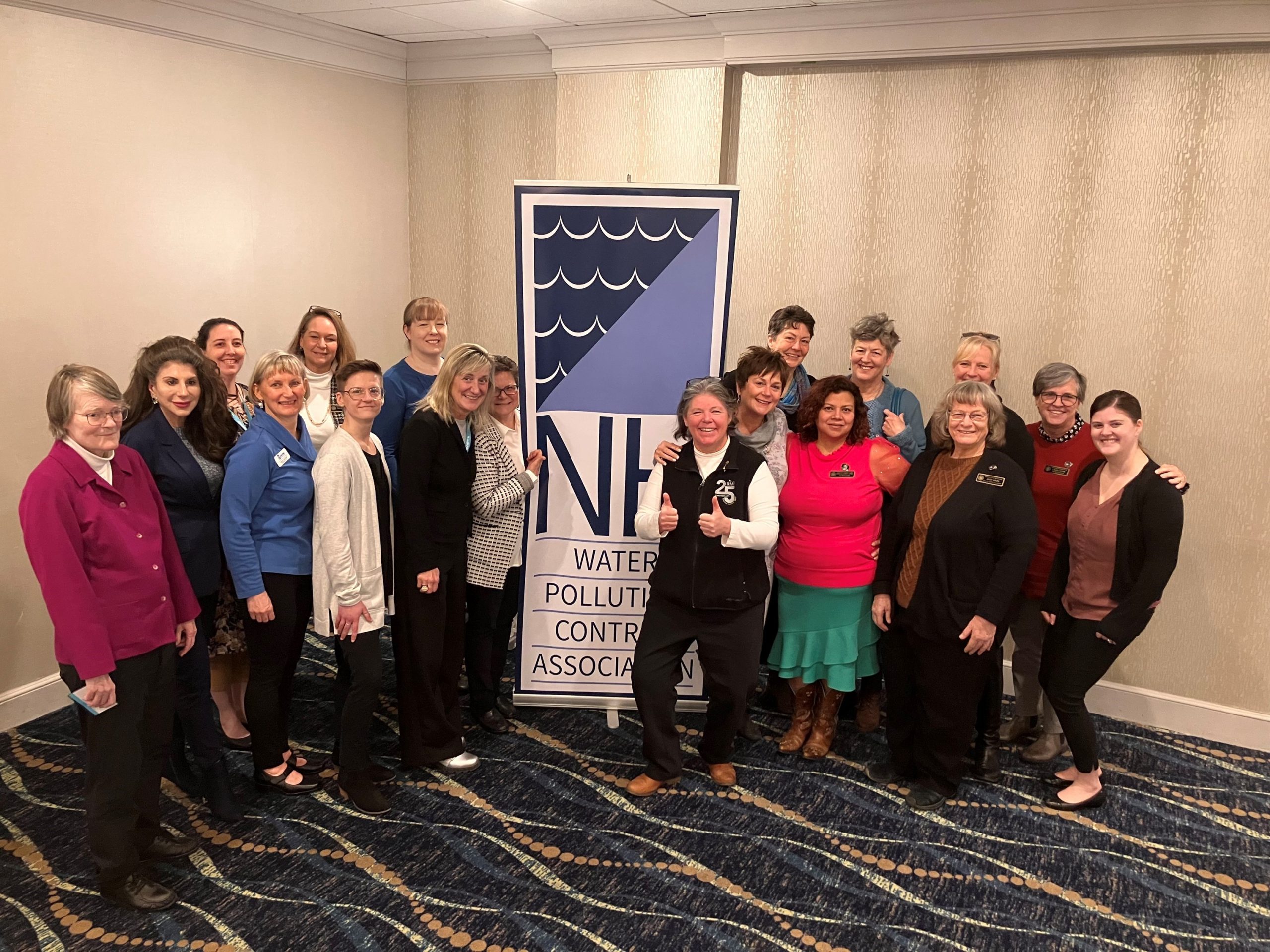
As committed members of the biosolids recycling community we strive to educate the public about our cause and to support similar efforts within the community.
In 2022, RMI sponsored “After the Flush,” a five-minute biosolids special feature created by the Water Environment Federation. WEF is a nonprofit technical and educational organization that has been working to solve water challenges and create a sustainable water future. They provide both water quality professionals and the general public with a variety of informative resources including projects, publications, workshops, and conferences.
“After the Flush” brings the public on the cyclical journey of biosolids, focusing on the environmental benefits of their re-use. Featuring interviews with farmers and community gardeners, as well as members of the Ocean Sewage Alliance, DC Water, and WEF, these environmental stewards advocate for the application of biosolids as a cost effective, nutrient rich fertilizer and endorse land application as a sustainable and responsible alternative to landfill disposal. The video highlights the benefits that recycling biosolids provides to communities, local economies, and the environment, including increased crop yields for farmers and gardeners and reduced carbon in the atmosphere.
As well as being shared on various online channels, the video was also featured on the award-winning public television program Viewpoint. By reaching a larger audience, and one likely to be less familiar with the subject matter, we are optimistic that this will result in increased support for the biosolids industry. Additionally, this project and others like it help connect audiences to the larger environmental picture and encourages consideration of our individual impact on a daily basis.
Throughout 2023, RMI will continue to support biosolids outreach efforts. We plan to collaborate with other members of the agricultural, environmental and water industries with the goal of working together towards a greener future.
Watch the Viewpoint special here:


(NEWEA) Congressional Briefing. This visit coincided with a National Fly-In for water professionals from around the country. This was the first year that the Fly-In combined drinking water and wastewater in a collaboration to double our efforts for effective outreach on all water infrastructure and topics.
Monadnock Paper Mill located in Bennington, NH is the oldest family-owned and –operated paper mill in the country and will be celebrating 200 years in 2019! Monadnock is not only a leader in the papermaking industry, but they are also passionate about environmental stewardship. Monadnock has been recognized by leading environmental organizations including the Forest Stewardship Council, the Sierra Club, the Society for the Protection of New Hampshire Forests, and they have earned the Governor’s Award for Pollution Prevention as well as the Cornerstone Award from New Hampshire Businesses for Social Responsibility for their environmental efforts. Since 2000, RMI has had the honor of partnering with Monadnock by recycling their paper fiber to be used at local farms in composting operations and as an alternative to animal bedding. By working together RMI has managed to recycle 22,000 tons of Monadnock paper fiber!
their outstanding accomplishments in the field of biosolids management. This year, RMI President Shelagh Connelly was nominated for this Biosolids Management Award. Shelagh along with her partners Charley Hanson and Marty Riehs have been successfully operating RMI throughout the northeast since 1994. Shelagh is very active on the Government Affairs Committee for NEWEA and for NHWPCA, and assists with regulatory overview and legislative initiatives throughout the northeast on biosolids, wood ash and paper fiber initiatives. Shelagh lives and breathes biosolids management and will do anything that needs to be done in order to ensure continued legislative and community support for biosolids land application. From wastewater treatment plant tours for local high schools, presentations at colleges, public outreach at town hall meetings, to testifying before the legislature in NH and DC there is nothing Shelagh won’t do to promote and protect the land, the environment and the people she and her RMI Team serve.
Durham’s wastewater treatment facility plays a very important role in protecting public health and the environment with the millions of gallons of sewage that it treats daily. Clean water and biosolids are recovered through the process and complete a recycling loop of sustainability. Since 2007, Durham and RMI have removed 16,853 wet tons of biosolids from the Great Bay watershed which equals 180,000 pounds of Nitrogen and 145,000 pounds of Phosphorous. This fertilizer was recycled to over 1,200 acres of excellent hay production in Northern New Hampshire. Thanks to the town of Durham for helping RMI promote sustainability and build healthy soils!